How Asbestos Waste Is Transported and Tracked
When you handle asbestos waste, you have actually got to package it in double-thick, secured containers, use clear “Danger: Asbestos Waste” labels, and safeguard it snugly for transport. Just trained vehicle drivers and permitted routes are permitted, with rigorous oversight from the EPA, DOT, and neighborhood companies. You'll need to utilize detailed shows up and digital tracking from collection to accepted disposal at licensed centers. There's an exact compliance procedure ahead that breaks down each step to assure public and ecological security.
Takeaways
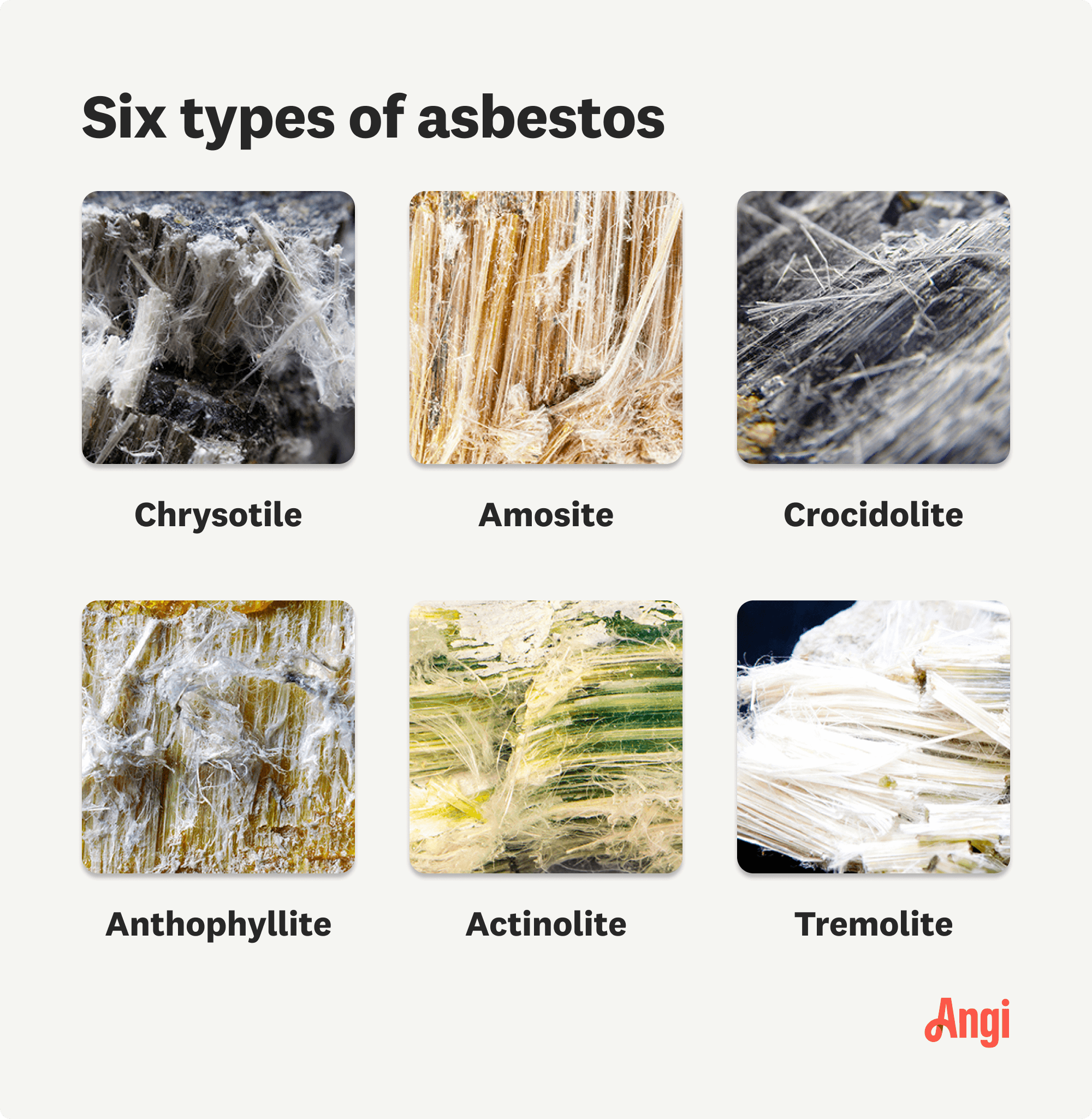

- Asbestos waste is packaged in secured, double 6-mil polyethylene bags or watertight drums classified with hazard cautions before transportation.
- Transport automobiles need to be committed, plainly labeled, and run by licensed motorists adhering to all federal, state, and local laws.
- Waste activities call for comprehensive shows up and digital radar to document origin, amount, and destination in genuine time.
- Transport courses and timing might require special authorizations, with authorities overseeing compliance to reduce public direct exposure and ecological risk.
- Final disposal is only enabled at licensed facilities utilizing stringent handling, funeral, and recordkeeping procedures to make sure regulative compliance.
What Qualifies as Asbestos Waste and Why It's Strictly Controlled
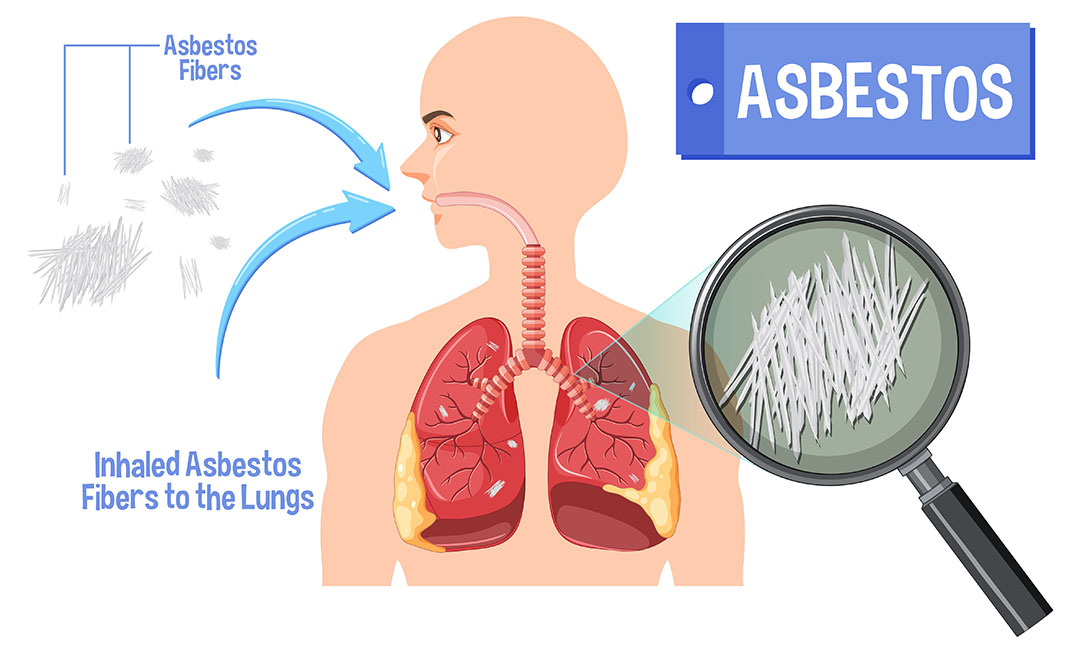
Although asbestos was when widely used for its fireproof residential properties, any type of product having greater than 1% asbestos is now categorized as asbestos waste under government and many state regulations. You need to recognize that rigorous regulation exists due to the significant health impacts connected with asbestos exposure, such as lung cancer, mesothelioma, and asbestosis. Some disposal misconceptions recommend that tiny amounts or certain sorts of asbestos aren't unsafe, however that's incorrect— there's no secure degree of direct exposure. Asbestos waste includes insulation, floor ceramic tiles, roof, and infected debris. Rules need you to handle, label, and get rid of of these materials based on state and government regulations. By strictly complying with these regulations, you'll mitigate dangers to public health and prevent lawful fines linked with incorrect asbestos disposal.
Safe Packaging Requirements for Transferring Asbestos Waste
Effectively packaging asbestos waste is critical for preventing the launch of unsafe fibers throughout transportation. You're needed to follow strict safety and security guidelines to minimize wellness and environmental risks. Abiding by governing requirements safeguards both worker and public safety and security. their website Right here's what you require to do:
- Usage dual 6-mil polyethylene bags or leak-proof, sealed drums for all asbestos-containing product.
- Never overfill containers— this decreases the danger of splits or ruptures.
- Implement clear, long lasting labeling protocols specifying “Risk: Asbestos Waste” together with threat symbols.
- Protect all bundles securely to prevent accidental openings throughout managing or loading.
- Check containers before usage; reject any type of revealing indicators of damages or weak point.
Transport Rules: Moving Asbestos Waste on Public Roadways
When asbestos waste is firmly packaged, strict transport regulations regulate its activity on public roads. You must abide with government, state, and neighborhood laws that call for committed automobiles, clear labeling, and the prevention of fiber launch during transportation. Prior to laying out, obtain the necessary course permits, as authorities usually specify accepted roads and transportation home windows to minimize public exposure risks. Just trained and accredited drivers are enabled to take care of asbestos shipments; extensive chauffeur training warranties they comprehend emergency procedures, control methods, and legal obligations. Automobiles should carry documents outlining the waste's beginning, destination, and classification. If you comply with these regulations specifically, you'll minimize threats to both the public and the environment, minimizing the possibility of unintended releases or regulative fines throughout the transportation process. asbestos removal company
That Keeps An Eye On and Tracks Asbestos Waste Throughout Transport?
Since asbestos waste postures considerable wellness and ecological dangers, numerous firms manage its motion from collection to disposal. You'll find that regulatory firms at the federal, state, and regional levels all play a vital role in monitoring and tracking asbestos waste throughout transport. Their primary objective is to assure that every action of the process fulfills stringent legal needs and reduces any kind of danger to public safety and security. Professional liability is imposed with examinations, paperwork, and conformity checks. When you're associated with asbestos transport, anticipate oversight from:
- The Epa (EPA)
- State ecological protection divisions
- Regional wellness or ecological firms
- Division of Transportation (DOT) for transit policies
- Occupational Safety And Security and Health Management (OSHA) for worker safety and security
These entities assure all events remain certified, lessening exposure and ecological contamination.
Needed Manifests and Electronic Tracking Systems
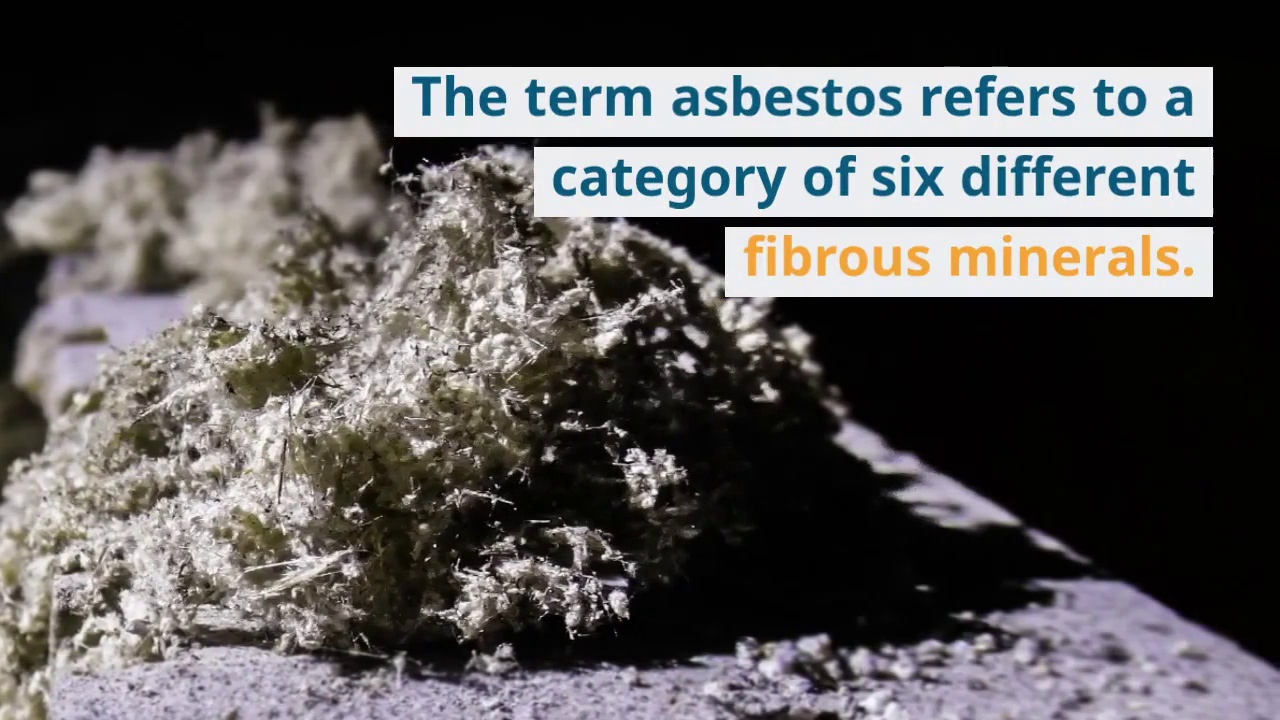
Although the physical transport of asbestos waste is securely regulated, documents is simply as critical for lawful compliance and risk management. You're required to use specific materializes that detail the kind, amount, and beginning of asbestos waste at every phase. This develops a legitimately binding chain of wardship, which prevents unapproved handling and aids trace any kind of discrepancies. Commonly, paper materializes were used, but digital manifests are now favored for performance and precision. Electronic tracking systems allow you upgrade records in real time, lowering errors and giving instantaneous accessibility for regulatory authorities. These systems guarantee that every transfer, from generator to transporter to disposal site, is logged and verifiable. https://winchmorehillasbestosremoval.co.uk/services/garage-shed-roof-removal.html Staying certified with these needs decreases your legal direct exposure and strengthens liability throughout the waste management process.
Last Disposal: Where Asbestos Waste Goes and Exactly How It's Ruined
With every step of asbestos waste transportation meticulously documented and tracked, the last includes delivery to authorized disposal centers developed to prevent air-borne contamination and unapproved accessibility. Right here, you'll run into two key methods for asbestos garbage disposal: garbage dump control and thermal destruction. Land fill containment uses engineered, lined land fills that restrict asbestos fiber escape and isolate waste from the atmosphere. Thermal destruction, though much less usual because of its intricacy, utilizes heats to change asbestos fibers and render them non-hazardous.
Key governing disposal controls include:
- Disposal just at certified, controlled websites
- Double-bagging and labeling waste containers
- Immediate funeral under compacted dirt or cover
 * Prohibition of scavenging or unapproved entry
 - Strict recordkeeping for regulatory conformity
Often Asked Inquiries
What Health And Wellness Threats Are Associated With Improper Asbestos Waste Handling?
Inappropriate handling of asbestos waste puts you in danger of inhaling hazardous fibers, leading to lengthy term health problems like asbestosis, lung cancer cells, and mesothelioma cancer. If you're associated with occupational direct exposure, you're especially vulnerable. Regulatory standards mandate rigorous control and labeling to reduce these threats. You shouldn't neglect correct procedures— failing to abide increases health and wellness hazards for workers and the public, compromising both security and regulatory conformity. Constantly adhere to recognized danger reduction methods.
Exactly How Can I Recognize Asbestos-Containing Products in My Home?
Spotting asbestos-containing materials in your home is like searching for unnoticeable strings— most can't be identified by sight alone. https://winchmorehillasbestosremoval.co.uk/services/soft-strip-demolition.html If you think products like insulation, flooring tiles, or roof might consist of asbestos, avoid disturbing them, as this might release air-borne fibers. To alleviate danger, arrange for expert material screening by a licensed asbestos assessor. Regulations call for certified screening to guarantee precise identification and compliance, decreasing your direct exposure and lawful obligations.
Are There Penalties for Illegal Dumping of Asbestos Waste?
Yes, if you unlawfully discard asbestos waste, you're subject to significant repercussions. Regulatory companies impose criminal penalties, consisting of substantial penalties and feasible imprisonment, depending upon the intensity of the violation. You'll likewise encounter civil responsibility, which indicates you can be demanded damages or cleanup expenses. To reduce dangers, always adhere to regional and government laws for asbestos disposal. Non-compliance not only threatens public health and wellness yet additionally subjects you to considerable lawful and financial repercussions.
Can Homeowners Transport Asbestos Waste Themselves?
Like tiptoeing with a minefield, do it yourself elimination of asbestos waste carries significant dangers. You can deliver asbestos waste yourself in some areas, yet rigorous laws apply. You're directly liable for risk-free handling, packaging, and distribution to approved disposal websites. Failing to abide can cause large fines or carcinogen. Constantly check neighborhood laws, utilize proper safety equipment, and ensure your method mitigates exposure and environmental contamination prior to attempting transport.

What Training Is Required for Employees Dealing With Asbestos Waste?
If you're managing asbestos waste, you must complete asbestos certification training, which covers government and local policies, safe removal, and disposal procedures. You'll learn just how to appropriately utilize protective equipment, consisting of respirators and non reusable coveralls, to decrease direct exposure dangers. This training assurances you acknowledge threats, follow control procedures, and document waste handling. Regulatory firms call for ongoing education to maintain your understanding existing, decreasing obligation and guaranteeing conformity with all danger reduction requirements.